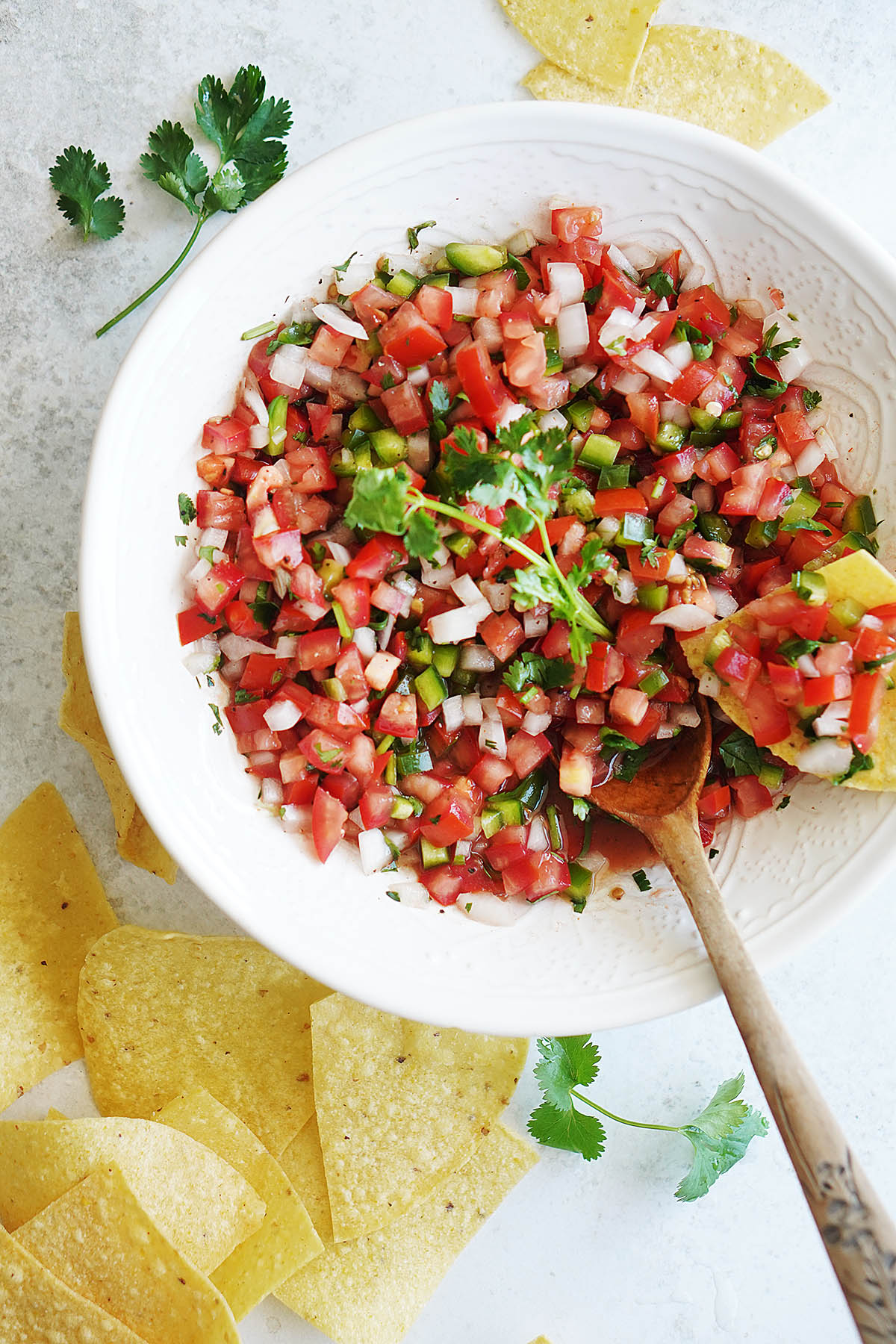
Salsa Fresca vs. Pico de Gallo: Understanding the Uncooked Classic
Few culinary delights capture the essence of fresh, vibrant flavors quite like salsa fresca. Often interchangeably referred to as pico de gallo, this uncooked classic is a staple in Mexican and Tex-Mex cuisine, beloved for its bright, zesty character and rustic texture. Unlike many other salsas that are cooked, blended smooth, or incorporate a wider array of ingredients, salsa fresca stands apart in its simplicity and reliance on peak-season produce. It’s a testament to the idea that sometimes, the freshest ingredients, minimally processed, create the most profound taste experience.
But what exactly is salsa fresca, and why has it earned such a revered place on our tables? At its heart, salsa fresca is a chunky, vibrant medley of diced tomatoes, onions, chile peppers, cilantro, and lime juice, seasoned simply with salt. Its appeal lies in its straightforward purity, allowing the natural sweetness of ripe tomatoes, the subtle heat of jalapeños, and the refreshing tang of lime to shine through. Whether you’re a seasoned home cook or just starting your culinary journey, mastering a great
salsa fresca recipe is an incredibly rewarding endeavor, promising to elevate everything from a humble chip to a gourmet grilled steak.
The Heart of the Flavor: Essential Ingredients for Your Ultimate Salsa Fresca Recipe
The beauty of salsa fresca lies in its core ingredients, each playing a crucial role in creating a harmonious balance of flavors and textures. To craft a truly exceptional batch, understanding the nuances of these components is key.
- Ripe Tomatoes: The Foundation
The star of the show, tomatoes provide the bulk and much of the juicy flavor. For the best salsa, opt for firm, heavy tomatoes that feel substantial for their size. They should have a shiny skin, minimal blemishes, and, most importantly, a fragrant, slightly floral aroma. If a tomato smells like nothing, it likely tastes like nothing. While any ripe tomato will do, late summer offers the most flavorful varieties. Chopping them roughly contributes to that desirable chunky texture.
- White Onion: The Mellow Aromatic
While various onions have their place in cooking, white onions are the preferred choice for salsa fresca. They offer a milder pungency than yellow onions but aren't as sweet as red onions, ensuring they enhance the other flavors without overpowering them. Finely dicing the onion is crucial for even distribution and a pleasant bite.
- Jalapeño or Serranos: The Kick of Heat
These peppers provide the characteristic warmth and a touch of fresh green flavor. Jalapeños are most common, offering a moderate heat that can be adjusted by removing the seeds and membranes (where most of the capsaicin resides). For those who prefer a more intense kick, serrano peppers are an excellent substitute. Always mince your chile peppers finely to integrate their heat throughout the salsa.
- Fresh Cilantro: The Herbaceous Lift
Cilantro is non-negotiable for authentic salsa fresca, providing a distinctive fresh, herbaceous note. Be sure to use fresh, vibrant sprigs. Chop it loosely and stir it in just before serving to maintain its bright color and potent aroma.
- Garlic: The Pungent Depth
A single clove of fresh garlic, finely minced, adds a layer of pungent depth that rounds out the salsa's flavor profile. It should be subtle, not dominant.
- Lime Juice: The Essential Brightness
Freshly squeezed lime juice is absolutely vital. It provides the acidity that brightens all the flavors, cutting through the richness of other dishes and adding a refreshing tang. Bottled lime juice simply won't achieve the same vibrant result.
- Olive Oil and Salt: The Finishing Touches
A small amount of good quality olive oil, as featured in some classic recipes, can add a subtle richness and mouthfeel to the salsa. Salt, of course, is crucial for seasoning, bringing all the flavors into focus. Add it incrementally and taste as you go.
Crafting Perfection: Your Step-by-Step Salsa Fresca Recipe Guide
Making homemade salsa fresca is surprisingly simple, yet yields results that far surpass store-bought versions. The key lies in the quality of your ingredients and a few fundamental techniques.
- Prepare Your Produce: Begin by washing all your vegetables thoroughly. The rustic, chunky texture that defines salsa fresca comes from hand-chopping your ingredients. Avoid food processors if you want that authentic feel, as they can quickly turn your vibrant produce into a watery purée. Roughly chop your tomatoes into small, irregular pieces. Finely dice your white onion, mince your jalapeño (removing seeds for less heat), and finely mince your garlic clove. Loosely chop your cilantro.
- Combine and Toss: In a medium mixing bowl, combine the chopped tomatoes, diced white onion, minced jalapeño, and minced garlic. Squeeze in the fresh lime juice. If using, drizzle in the olive oil.
- Season and Rest: Season generously with salt and a pinch of black pepper, then toss all the ingredients thoroughly to combine. This is a crucial step: let the salsa sit for at least 15 minutes at room temperature before serving. This resting period allows the flavors to meld and deepen, creating a more cohesive and delicious final product. For an in-depth look at ingredient selection and preparation techniques, don't miss our guide on Make the Best Homemade Salsa Fresca: Recipe & Fresh Ingredient Secrets.
- Add Cilantro and Serve: Just before serving, stir in the fresh, chopped cilantro. This ensures its vibrant color and fresh aroma are at their peak. Taste and adjust seasoning as needed – you might find it needs a little more lime or salt.
For the ultimate flavor, aim to make this salsa during the late summer months when tomatoes are at their prime. The difference a perfectly ripe tomato makes is truly astounding.
More Than Just a Dip: Creative Ways to Enjoy Your Homemade Salsa Fresca
While a bowl of fresh salsa fresca with crispy tortilla chips is an undeniable classic, its versatility extends far beyond a simple dip. This vibrant concoction can elevate countless dishes, adding a burst of freshness and flavor that complements a wide array of cuisines.
- As a Topping: Spoon generously onto tacos, burritos, nachos, or quesadillas. Its fresh acidity cuts through the richness of meats and cheeses, creating a balanced bite.
- With Grilled Meats and Fish: Salsa fresca makes an excellent accompaniment for grilled chicken, steak, pork chops, or any flaky white fish. The bright flavors provide a welcome contrast to the smoky char of grilled foods.
- Breakfast Booster: Transform your morning eggs by adding a dollop of salsa fresca. It's fantastic with scrambled eggs, omelets, or even a simple fried egg on toast.
- Salad and Bowl Enhancer: Stir it into grain bowls, serve it alongside a fresh green salad, or mix it into a simple quinoa or rice dish for an instant flavor upgrade.
- In Sandwiches and Wraps: Replace boring lettuce and tomato with a spoonful of salsa fresca for an extra layer of flavor and texture in your sandwiches and wraps.
Storing Your Homemade Salsa Fresca:
Homemade salsa fresca is best enjoyed fresh, ideally within the first day or two of preparation, when its ingredients are at their peak vibrancy. Store any leftovers in an airtight container in the refrigerator for up to four days. Be aware that over time, the tomatoes will release more liquid, potentially making the salsa a bit more watery, but it will still be delicious.
Many who grow up in regions with a strong Tex-Mex influence, like myself, often become quite particular about their salsa. The good news is, armed with a fantastic
salsa fresca recipe, you can replicate – and often surpass – the quality found in even your favorite Mexican restaurants. For those looking to capture that specific, beloved restaurant taste, check out our guide on
Chuy's Copycat: Recreate Restaurant-Quality Salsa Fresca at Home.
Conclusion
Salsa fresca, or pico de gallo, is more than just a condiment; it's a celebration of fresh, simple ingredients coming together to create an explosion of flavor. Its uncooked nature and chunky texture set it apart, making it a versatile and beloved addition to countless meals. By understanding the role of each ingredient and following a few simple steps, you can easily craft a batch of this classic at home, ready to elevate everything from a casual snack to a gourmet dinner. So next time you're craving something bright, zesty, and utterly delicious, reach for those ripe tomatoes and get chopping – your taste buds will thank you.